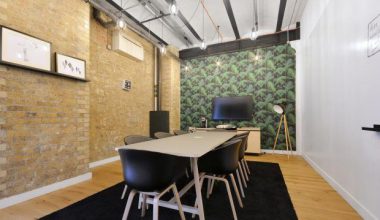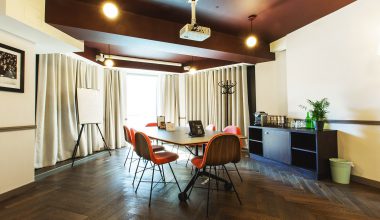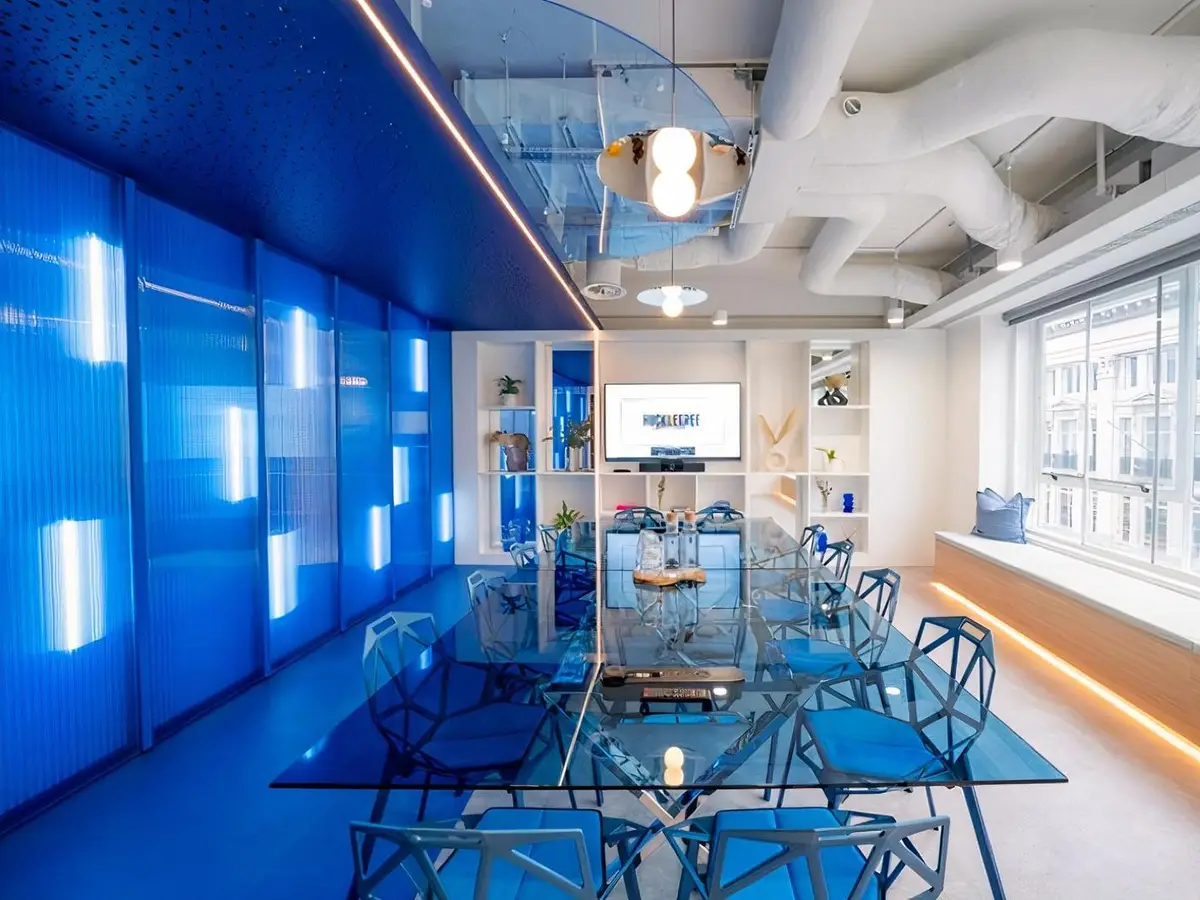
If you’re booking meeting rooms in London this year, here’s the uncomfortable truth: there’s no such thing as a “standard rate.” A four-person room near Bank might cost you £50 an hour or £150, depending on whether you’re in a basement co-working space or the 30th floor of a glass tower overlooking St Paul’s.
This guide cuts through the noise. We’ve pulled together realistic price ranges for 2026, broken down by London’s main business districts and room sizes. No averages plucked from thin air, just practical ranges that reflect what you’ll actually encounter when booking professional, client-ready spaces.
Quick Reference: 2026 London Meeting Room Prices
Before we get into the details, here’s a summary of what to expect across the city:
| Room Size | Budget Areas | Core Business Districts | Premium Locations |
|---|---|---|---|
Small (4–6 people) | £35–£60/hr | £60–£90/hr | £90–£150/hr |
Medium (8–12 people) | £60–£100/hr | £90–£140/hr | £140–£250/hr |
Large (20–30 people) | £120–£200/hr | £180–£300/hr | £300–£500/hr |
Conference (50+ people) | £65 DDR* | £95 DDR | £130+ DDR |
*DDR = Day Delegate Rate (per person, includes room, refreshments, and lunch)
These ranges exclude the very bottom of the market (windowless basement rooms, unstaffed community halls) and the ultra-luxury tier (five-star hotel presidential suites). What you see here is what professional organisations typically pay for reliable, presentable spaces.
Prices by London Area
Location is the single biggest factor in what you’ll pay. Here’s what each district looks like in 2026.
The City of London (Bank / Liverpool Street)
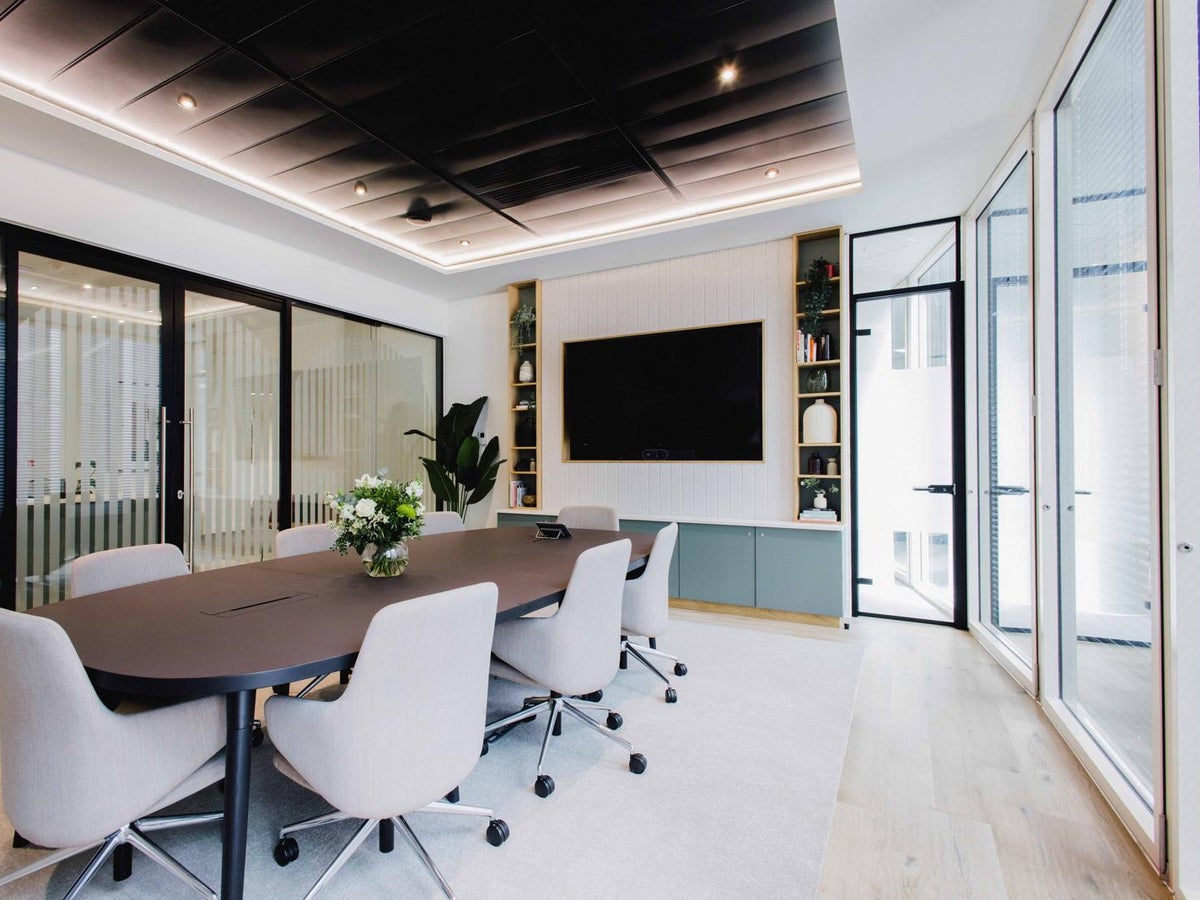
The type of office space you choose will guide your search. Options range from serviced to managed, leased, and on-demand workspaces, each offering unique advantages.
The Square Mile commands premium rates, particularly for spaces that project authority, think oak-panelled boardrooms or floor-to-ceiling windows with landmark views. Financial services, insurance, and legal firms dominate bookings here.
Expect to pay:
- Small rooms (4–6): £50–£85/hr standard, up to £150/hr for premium spaces with views
- Medium rooms (8–12): £85–£130/hr, rising to £230/hr for corner offices or high floors
- Large rooms (20–30): £160–£260/hr standard; half-day rates typically £600–£950
- Conference (50+): Full-day hire ranges from £2,600 to £4,800; DDR packages run £75–£140 per head
One pattern worth knowing: Mondays and Fridays see notably lower occupancy in the City. If your meeting can flex to those days, you may secure rates 15–20% below the Tuesday-to-Thursday peak. You can browse meeting rooms in the City of London on Zipcube to compare current availability.
Canary Wharf
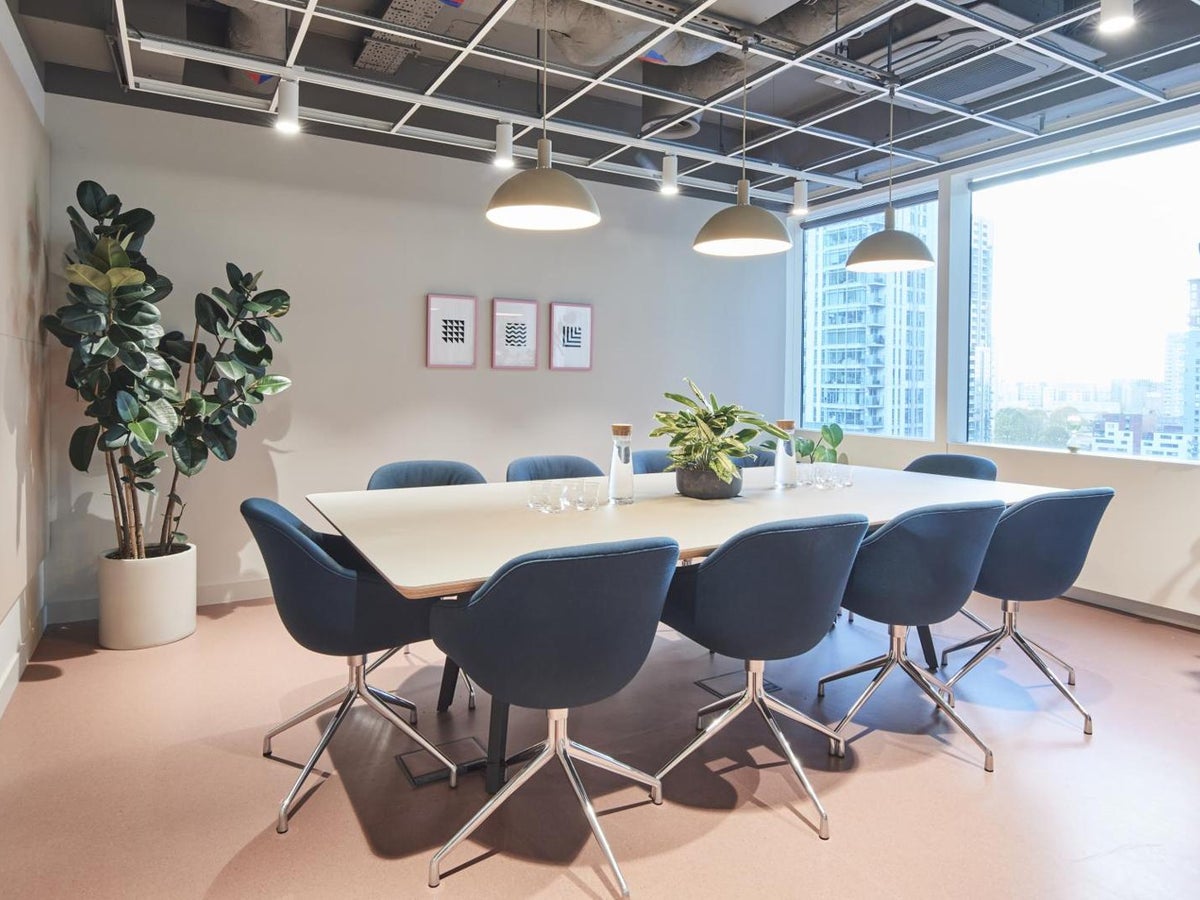
The Elizabeth Line has closed the gap between Canary Wharf and central London, and pricing has followed. The stock here is uniformly modern, high ceilings, excellent accessibility, reliable climate control. Large hotels dominate the conference market.
Expect to pay:
- Small rooms (4–6): £45–£75/hr, up to £125/hr for high-floor spaces
- Medium rooms (8–12): £75–£110/hr standard, £120–£190/hr with views
- Large rooms (20–30): £150–£230/hr; half-day rates £550–£850
- Conference (50+): Hotel DDR packages can start as low as £70 per person, offering better value than many City equivalents
Height matters here more than almost anywhere else. A ground-floor meeting room might run £70–£90 an hour for eight people, while a 37th-floor venue with panoramic views starts at a completely different level.
The West End (Mayfair / St James’s)
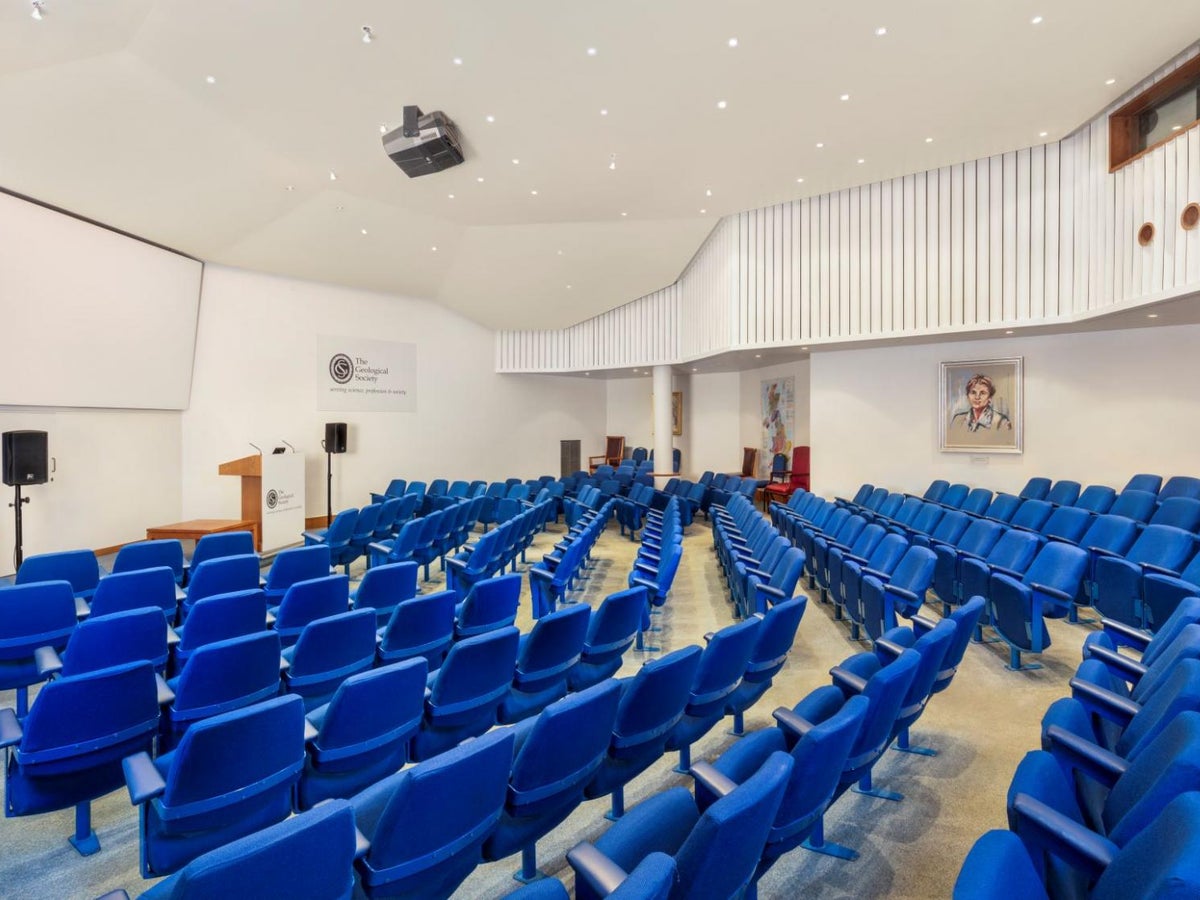
This is the most expensive meeting room market in the UK. Clients are paying for the postcode, the privacy, and the prestige. Many venues operate as private members’ clubs, meaning public access comes with significant surcharges.
Expect to pay:
- Small rooms (4–6): £75–£110/hr, up to £210/hr at premium clubs
- Medium rooms (8–12): £110–£170/hr standard, £190–£320/hr at top-tier venues
- Large rooms (20–30): £220–£380/hr; full-day hire runs £1,500–£2,800
- Conference (50+): Day rates typically £3,800–£7,500; DDR packages £130–£200 per head
Non-member surcharges at private clubs commonly add 30–50% to the base rate. Heritage buildings (Grade I or II listed) carry higher maintenance costs, which feeds into the hire fee. The flip side: a meeting at One Birdcage Walk or 116 Pall Mall offers a grandeur that modern glass boxes simply cannot match.
Soho & Fitzrovia
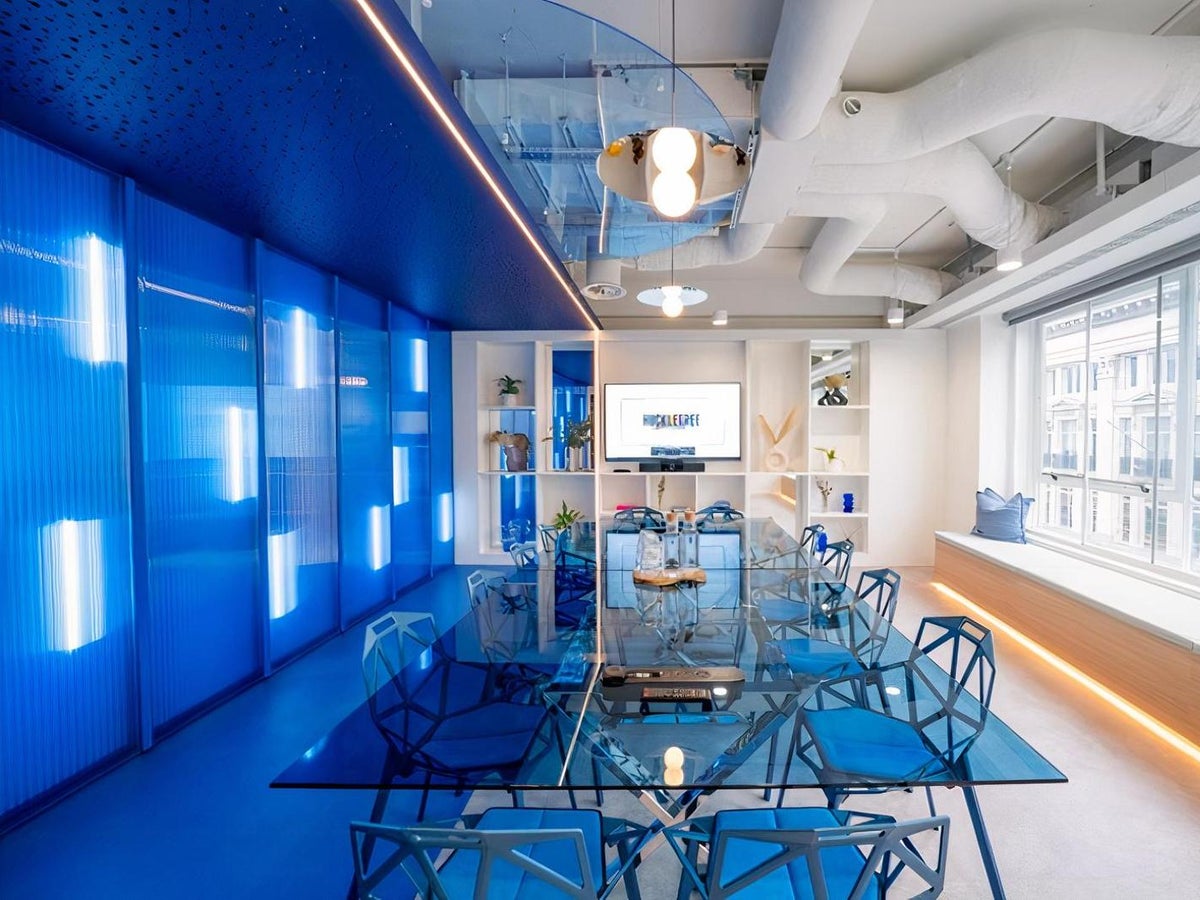
The creative and media heartland. Despite the relaxed atmosphere, Soho is expensive, constrained supply in small, converted townhouses keeps rates firm. The premium here is for aesthetic appeal: exposed brick, designer furniture, and proper coffee.
Expect to pay:
- Small rooms (4–6): £60–£95/hr, up to £150/hr for design-led spaces
- Medium rooms (8–12): £85–£130/hr standard
- Large rooms (20–30): £170–£280/hr; full-day rates £1,200–£2,000
- Conference (50+): Day rates £2,800–£5,200; DDR packages £95–£160 per head
Fitzrovia often offers slightly better value than core Soho while remaining thoroughly central. Spaces around Charlotte Street and Margaret Street can come in £10–£20 per hour below equivalent Soho venues.
Shoreditch
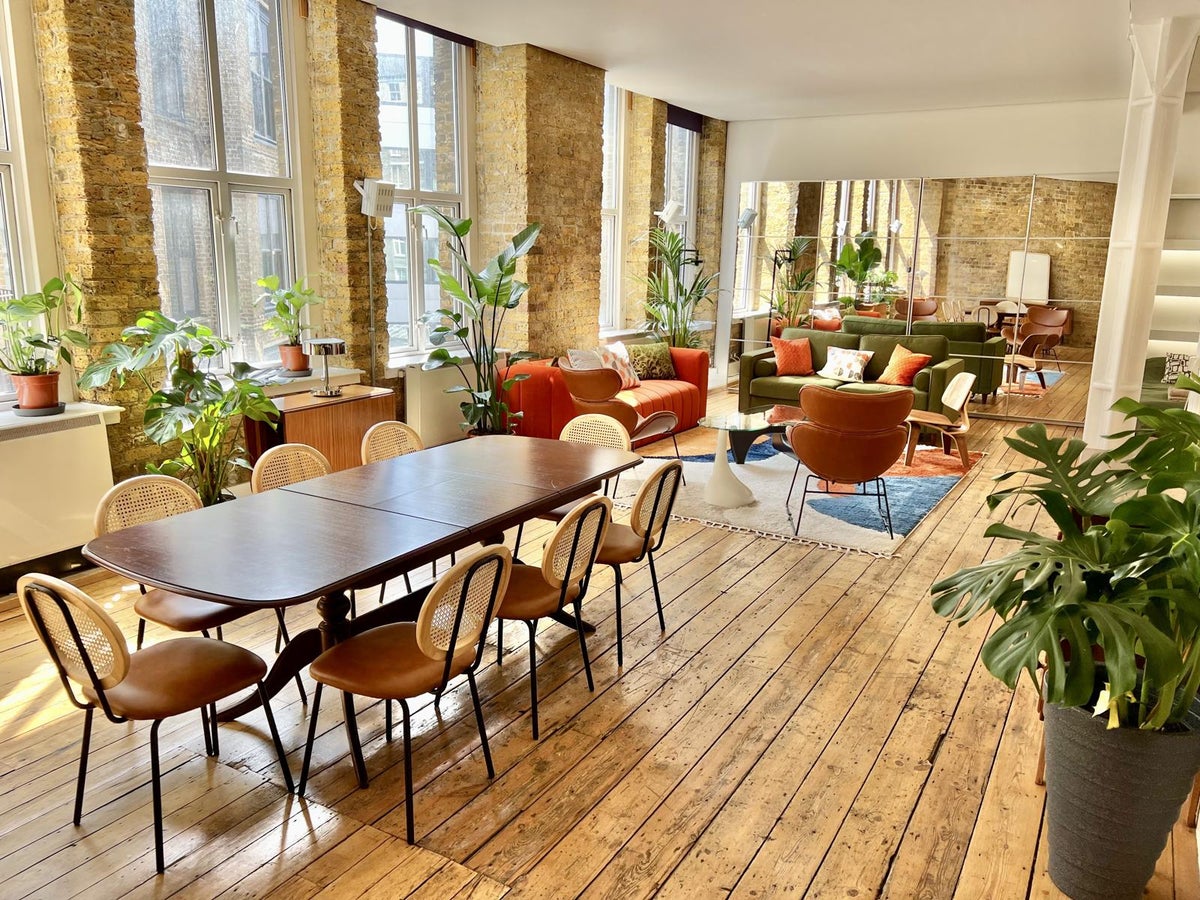
London’s widest price variance sits here. Shoreditch hosts both bootstrapped startups needing basic meeting space and well-funded tech firms demanding high-end event venues.
Expect to pay:
- Small rooms (4–6): £35–£70/hr (some functional spaces available under £40)
- Medium rooms (8–12): £55–£95/hr standard, £110–£170/hr for premium
- Large rooms (20–30): £110–£200/hr; full-day rates £750–£1,500
- Conference (50+): Day rates £1,600–£3,200; DDR packages £75–£125 per head
Shoreditch remains one of the few central areas where professional meeting space can be found below £40 an hour, essential for the startup market. At the other end, gentrified warehouse conversions and boutique hotels command rates that rival the West End.
Paddington & King’s Cross
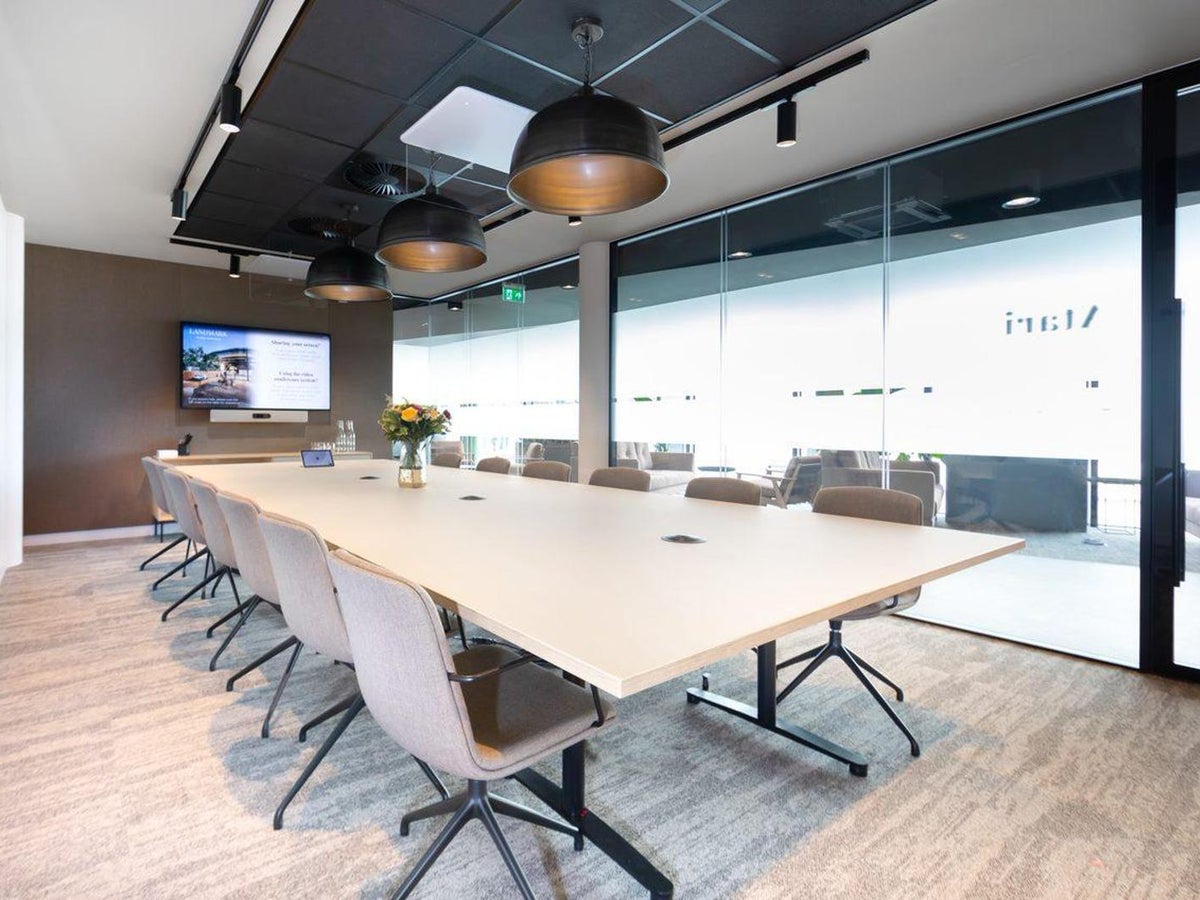
Transport superhubs with different characters. King’s Cross has evolved into a premium district, home to major tech firms around Coal Drops Yard, while Paddington remains a practical, value-oriented choice.
Expect to pay:
- Small rooms (4–6): £50–£85/hr at both locations
- Medium rooms (8–12): £75–£115/hr standard
- Large rooms (20–30): £140–£230/hr; half-day rates £520–£880
- Conference (50+): Day rates £2,400–£4,200; DDR packages £85–£135 per head
King’s Cross pricing now matches the City for comparable spaces. Paddington offers genuine value for national teams arriving via Heathrow Express, the logistical convenience often outweighs a slightly lower-spec environment.
Prices by Room Size
While location sets the baseline, room capacity dictates the pricing model and your negotiating position.
Small Rooms (4–6 People)
Typical uses: interviews, confidential calls, hybrid video meetings, small client catch-ups.
Across London, expect to pay £50–£90 per hour for a standard professional space with natural light. This is the most commoditised segment, high turnover, hourly pricing only, and rarely any meaningful discount for longer bookings.
One word of caution: internal rooms without windows often come in 20–30% cheaper, but they can feel oppressive for anything beyond a quick 45-minute meeting. If your session runs over an hour, natural light is worth the premium.
Medium Rooms (8–12 People)
Typical uses: board meetings, team workshops, client pitches.
Expect to pay £80–£150 per hour depending on location and fit-out quality. This is the battleground segment, most sensitive to amenity quality. A room with ergonomic chairs, a large 4K screen, and a proper coffee machine will sit at the upper end of that bracket; a basic table-and-chairs setup in the same postcode will be half the price.
Watch for capacity inflation. A room marketed for 12 often seats 10 comfortably once laptops, notebooks, and coffee cups enter the picture. If comfort matters, book a room rated for about 20% more than your headcount.
Large Rooms (20–30 People)
Typical uses: training sessions, workshops, department offsites.
Half-day rates typically run £600–£1,000; full-day hire £1,000–£1,800 in most business districts.
Layout is the hidden cost driver. Theatre-style seating maximises capacity and minimises spend. Cabaret or classroom setups reduce usable capacity by 40–50%, meaning a workshop for 30 people in cabaret arrangement may require a room rated for 50, pushing you into a higher price bracket entirely.
Hourly hire for large rooms is uncommon and disproportionately expensive; venues prefer half-day or full-day bookings to avoid short bookings that tie up the space.
Conference Rooms (50+ People)
Typical uses: town halls, product launches, AGMs, large training events.
Day Delegate Rates dominate this segment, typically £75–£140 per person including the room, refreshments, and lunch. Dry hire (room only) runs £2,500–£5,000+ per day for quality spaces.
Venues prefer DDR packages because food and beverage margins exceed room hire margins. Be aware that dry-hiring a premium venue and bringing external caterers is increasingly difficult, most enforce approved supplier lists or charge substantial buyout fees.
What’s Usually Included
Most professional meeting rooms in London include these as standard in 2026:
Furniture and configuration. Tables and chairs, typically adjustable to your preferred layout.
Wi-Fi. Business-grade wireless internet, adequate for email, web browsing, and standard video calls. Note: this is shared bandwidth, not dedicated.
Display screen. An LED screen (55–65 inches) or projector with HDMI and USB-C inputs.
Water. Filtered water (still and sparkling) from taps. Bottled water is now typically a chargeable extra following plastic reduction initiatives.
Basic stationery. One flipchart and markers, often upon request rather than pre-stocked.
Common Extras That Increase Costs
The headline rate rarely matches the final invoice. These are the most common add-ons in the 2026 market:
Hybrid conferencing equipment. 360-degree cameras and enhanced audio (essential for remote participants) add £50–£150 per day when rented. Some premium providers include this in the base rate; many don’t.
Additional flipcharts. £15–£25 per pad once you’ve used the complimentary one.
Early access or late finish. Arriving before 8:30am or staying past 5:30pm often triggers “unsocial hours” staffing fees of £50–£150 per hour.
Continuous refreshments. Unlimited tea and coffee runs £6–£14 per person, depending on the quality (instant versus bean-to-cup) and whether it’s all-day service or timed breaks.
Working lunch. Sandwich platters start around £18 per person; hot fork buffets run £35–£55. Expect a 12.5% service charge on top.
Breakout rooms. Rarely free, even if adjacent and apparently empty. Venues typically charge around 75% of the main room rate to unlock additional space.
How to Reduce Meeting Room Costs in London
A few strategies that consistently save money without compromising professionalism:
Book on Mondays or Fridays. Hybrid working patterns have hollowed out attendance at the start and end of the week. Many venues, particularly in the City and West End, offer rates 15–25% below Tuesday-to-Thursday pricing.
Lock in early-year rates. Some venues run “price freeze” promotions in Q1, holding previous year’s rates for bookings confirmed before the end of March. If you know your meeting calendar for Q2 or Q3, booking in January or February may lock in 2025 pricing.
Choose affordable secondary transport hub locations. Avoid King’s Cross and prefer Waterloo or London Bridge which offer competitive rates compared to the City or West End, with the practical advantage of easy access for delegates arriving from outside London.
Separate catering from room hire. Where possible, negotiate unbundled invoicing. This can simplify VAT treatment, room hire may attract different tax rates than catering, and gives you clearer visibility into where your budget actually goes.
Use a comparison platform. Prices vary significantly between venues in the same area, sometimes for near-identical facilities. Checking live availability across multiple options, through a marketplace like Zipcube’s London meeting rooms, often surfaces better rates than going direct to a single venue.
A Note on Availability and Final Pricing
Everything in this guide reflects typical 2026 pricing, but the reality of meeting room hire is that rates fluctuate by date, time, and demand. A room that costs £80 an hour on a quiet Wednesday might be £120 during a major conference week.
The only way to confirm pricing is to check live availability for your specific dates. If you’re comparing options across venues, Zipcube aggregates real-time availability and pricing from hundreds of London venues, making it straightforward to see what’s actually available at what cost before you commit.
Good luck with your booking. find the ideal office space that meets your business needs and objectives. With Zipcube, you can rest assured that your office space search is in expert hands, allowing you to concentrate on achieving your business goals.